
Services
Vision Care
Get the advanced care you need from your local, Vision Source Eyecare optometrist.
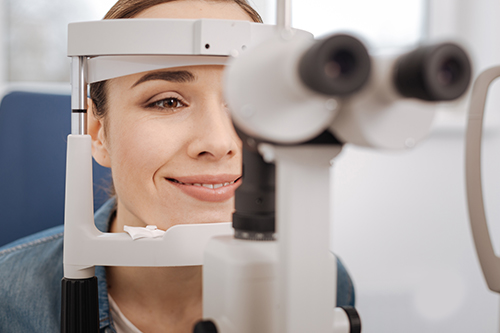
EyeGlasses and Optical
The right eyewear balances form and function. You want to look great, feel great, and see clearly in every condition. Vision Source Eyecare can help you find your match.

Contact Lenses
If you’ve never worn contact lenses before, it can seem a bit intimidating. After all, you’re inserting something into your eye! Let’s ease your mind about the first step – your contact lens exam.
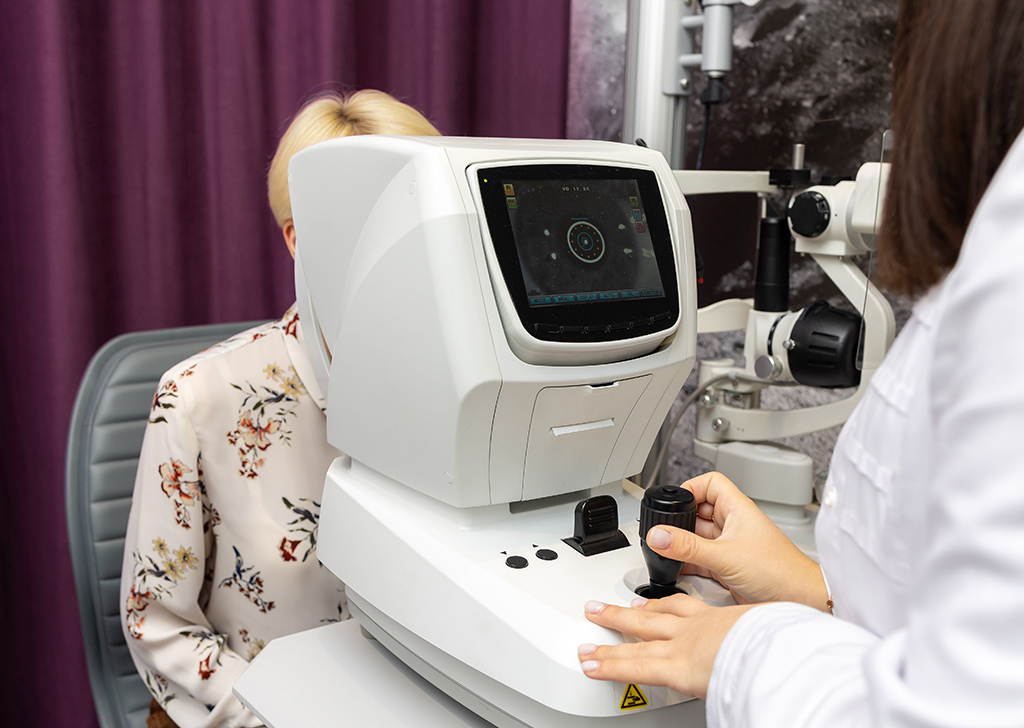
Comprehensive Eye Exams
Vision screenings only test your ability to see clearly in the distance. This is called visual acuity and is just one factor in your overall vision. Others include color vision, peripheral vision, and depth perception. The screening also doesn’t evaluate how well the eyes focus up close or work together.
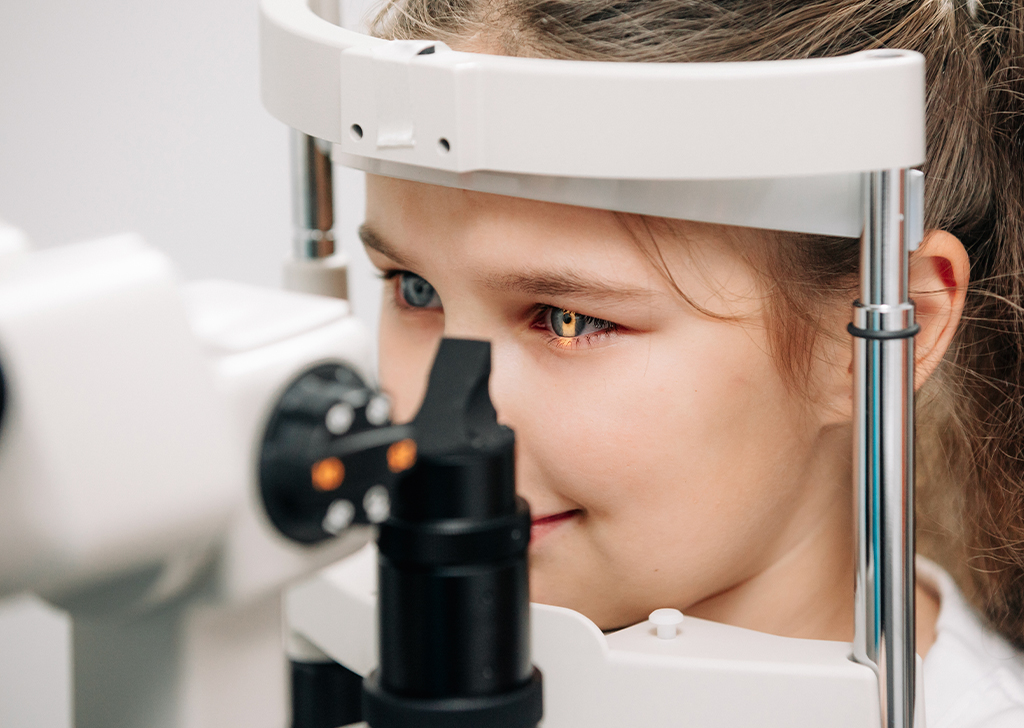
Pediatric Eye Health Care
Regular eye exams are important for children since their eyes can change significantly in as little as a year as the muscles and tissue develop. Good eyesight is critical for a child’s life and achievements since success in school is closely tied to eye health. School demands intense visual involvement, including reading, writing, using computers, and blackboard/smartboard work.
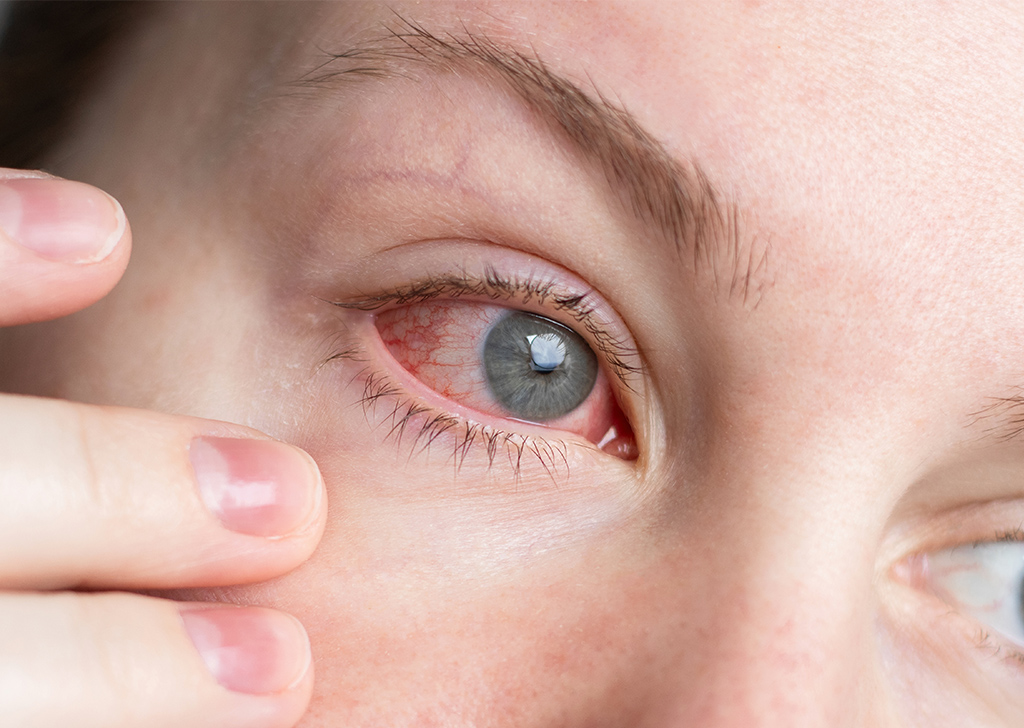
Red Eyes & Emergency Care
Eye emergencies cover a range of incidents and conditions such as trauma, cuts, scratches, foreign objects in the eye, burns, chemical exposure, photic retinopathy, and blunt injuries to the eye or eyelid.

Eye Disease Treatment
Millions of patients are diagnosed with diseases and conditions of the eye every year. Some of which may not display symptoms until there is irreversible damage to the patient’s vision. The outcome of eye disease can range from temporary discomfort to total loss of vision, which is why all eye problems and diseases should be taken seriously and regular eye check-ups are absolutely essential.
Vision Therapy
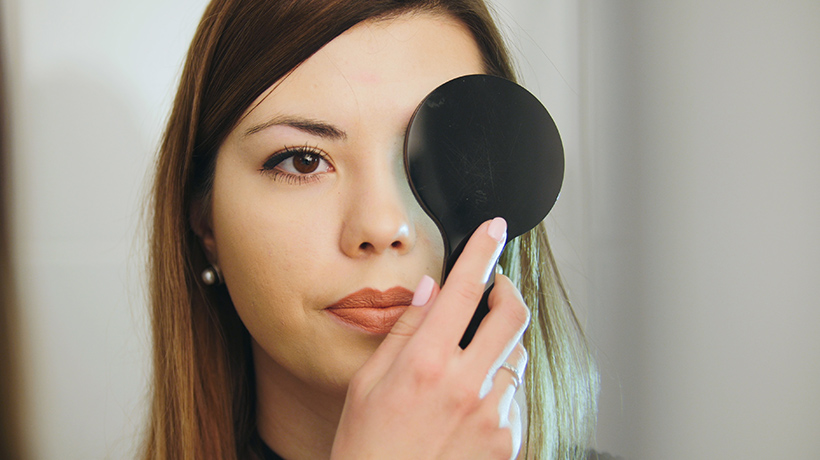
Vision therapy is a treatment plan that is intended to develop and improve a patient’s visual skills and abilities, with the goal of making their day-to-day life easier. You may also hear Vision Therapy referred to as VT. Although most commonly associated with children, whose visual skills are still naturally developing, adults can also benefit from vision therapy.

Macular Degeneration Management
Macular degeneration, commonly referred to as age-related macular degeneration (AMD), is the single largest cause of sight loss in the developed world and affects more than 10 million Americans.
Glaucoma Eye Care
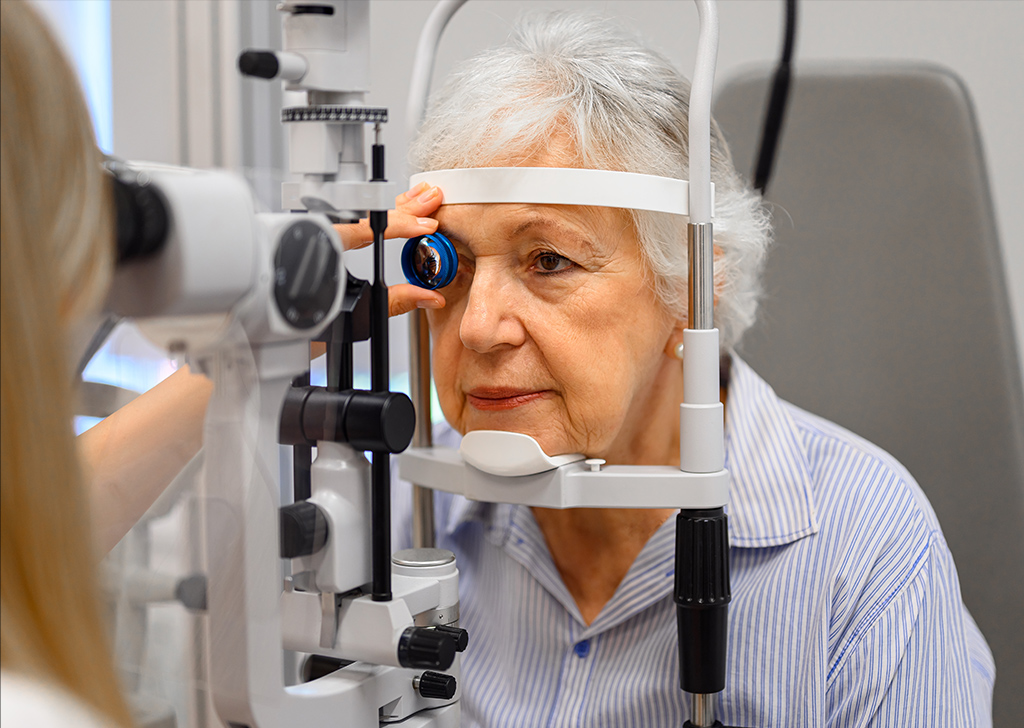
If you’ve been diagnosed with glaucoma, you’re probably already familiar with the typical options in glaucoma treatment – eye drops, laser treatment, or traditional surgery. While these are certainly effective, especially when glaucoma is diagnosed early, researchers have been working hard to offer new glaucoma treatments.
Orthokeratology
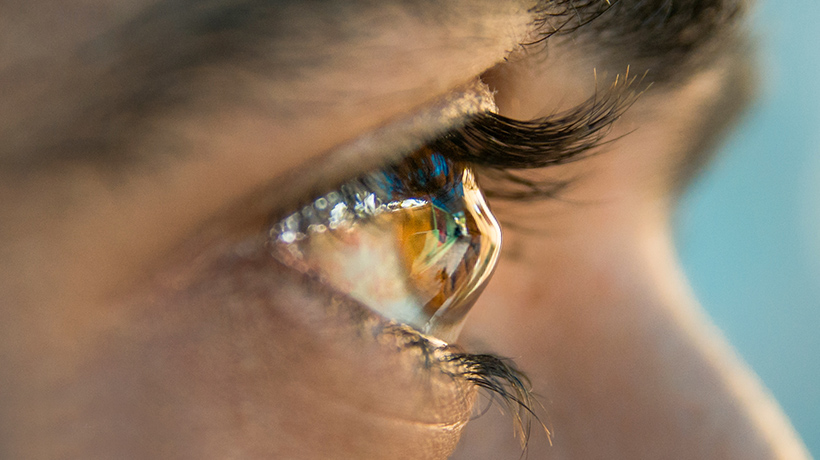
Many patients come to us every day struggling to get through their daily lives with their current choice of vision correction. Some have eyeglasses that do not sit properly on their face or feel that their peripheral vision is hindered by the frames. While contact users may find the lenses uncomfortable or have them fall out at inconvenient times.
Intense Pulsed Light (IPL)
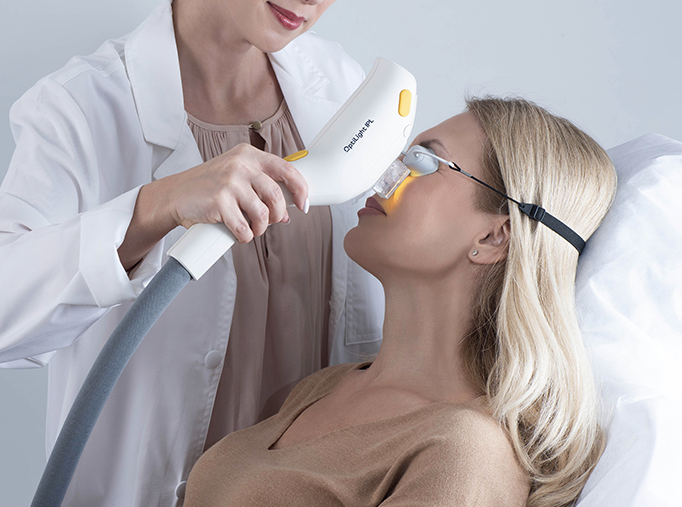
Millions of people suffer from eye and vision-related problems. For some, the solution is as simple as wearing prescription eyeglasses or contact lenses. However, others face challenges that aren’t as easy to rectify. That’s where Lumenis comes into play. As a world leader in minimally invasive clinical solutions for both ophthalmology and aesthetic markets, it’s making a significant difference. Not only does Lumenis develop advanced energy-based technologies, but it also commercializes them.
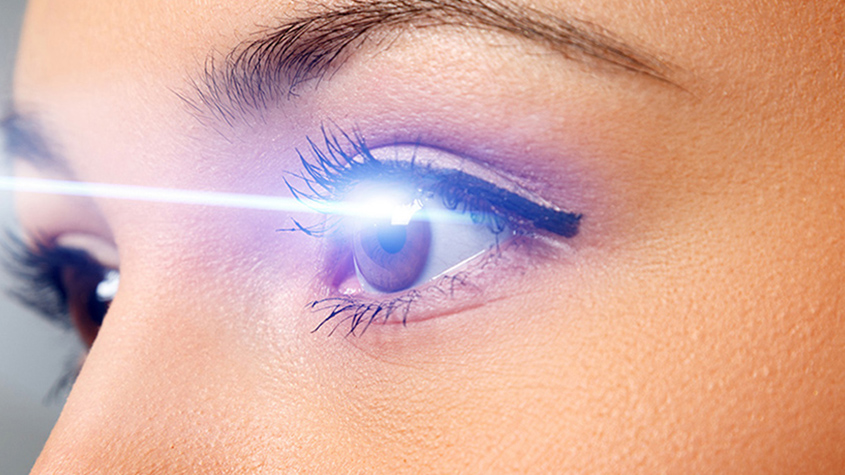
LASIK
If you are one of the thousands of people considering LASIK laser eye surgery, then you will probably be gathering as much information as possible about the treatment. By this point, you are probably aware of the benefits that LASIK offers, such as a reduced or eliminated need for glasses or contact lenses and greater convenience in your day-to-day life.
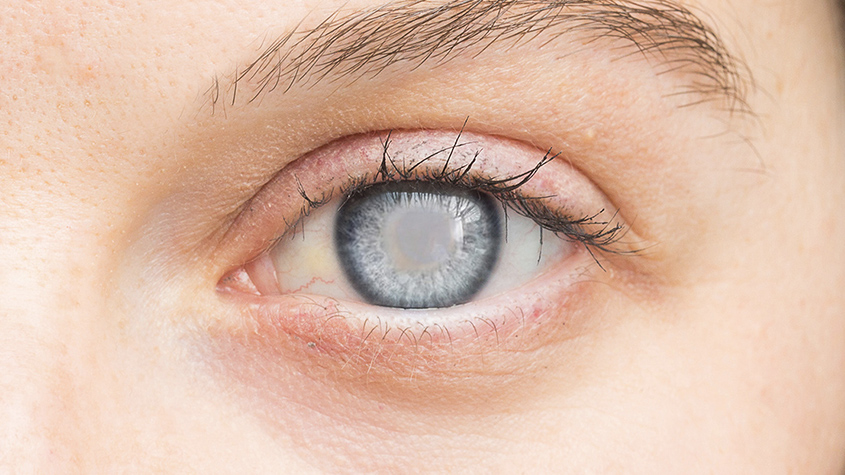
Cataract Care
Cataracts are a common eye condition that can significantly affect your vision. They occur when the lens of your eye becomes cloudy, causing blurred or distorted vision. This clouding is typically a result of aging, but other factors such as genetics, diabetes, or prolonged exposure to sunlight can also contribute to the development of cataracts.

Presbyopia Management
Presbyopia is a natural and inevitable part of aging that affects the eyes' ability to focus on close objects. Unlike other vision conditions, presbyopia isn’t caused by the shape of the eye or structural abnormalities but is instead a result of the eye’s lens losing its flexibility over time.

© 2026 Vision Source Eyecare. All rights Reserved. Accessibility Statement - Privacy Policy - Sitemap
Manage and Designed by: