
Night Glare and Halos: When Should You Schedule an Eye Exam?
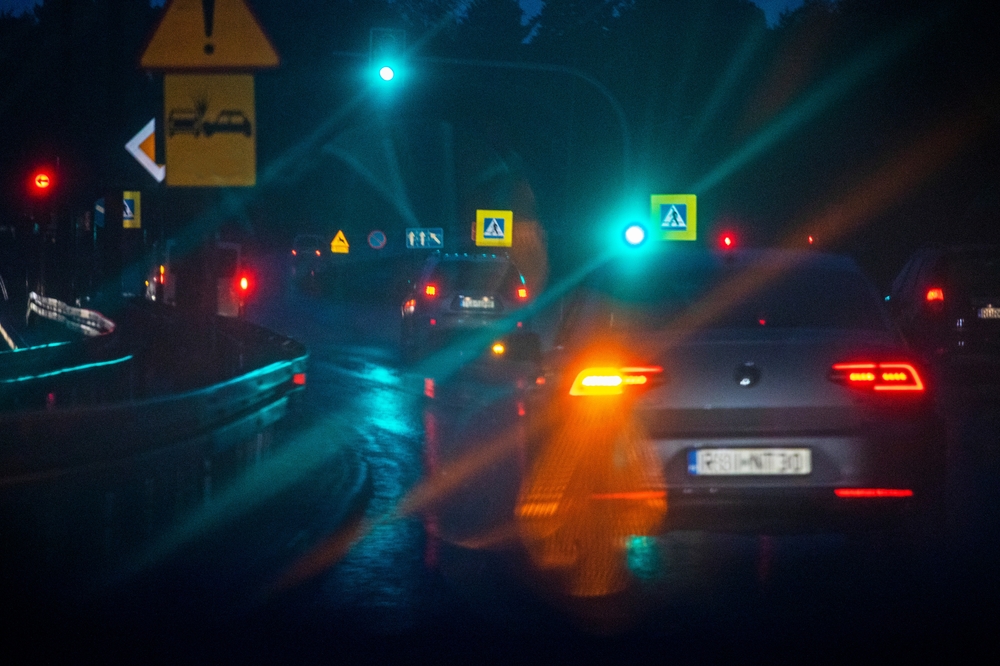
Bright headlights, streetlights, and illuminated signs can look very different after dark. If lights seem surrounded by glowing rings or create excessive glare while you drive at night, it may be more than a minor inconvenience. Night glare and halos can sometimes indicate a change in your vision that should be evaluated during a comprehensive eye exam. At Vision Source Eyecare, we can determine what may be contributing to these symptoms and whether an updated prescription, treatment, or further evaluation is needed.
What Causes Night Glare and Halos?
Your pupils naturally become larger in dim lighting so more light can enter your eyes. This can make certain vision problems more noticeable at night. Instead of light focusing clearly, it may scatter within the eye and create glare, starbursts, or halos around headlights and other bright objects.
Common factors that may contribute include:
• An outdated glasses or contact lens prescription
• Astigmatism or other refractive errors
• Dry eye that affects the smoothness of the eye's surface
• Cataracts that cause the natural lens of the eye to become cloudy
• Changes to the cornea
• Difficulty adjusting between bright and dark environments
The cause can vary considerably from one person to another, which is why an eye exam is important when symptoms become persistent or disruptive.
When Is Night Glare a Reason to Schedule an Eye Exam?
Occasional glare from an unusually bright headlight may not indicate a vision problem. However, you should consider scheduling an eye exam if glare or halos are happening regularly, becoming more noticeable, or affecting your confidence behind the wheel.
Pay particular attention if you also experience blurry vision, frequent squinting, eye strain, headaches, double vision, or difficulty seeing road signs after dark. A noticeable change from how you previously saw at night is also worth discussing with your eye doctor.
How an Eye Exam Can Help
A comprehensive eye exam allows us to check much more than how clearly you can read an eye chart. We can evaluate your prescription, focusing ability, eye health, and structures that may influence the way light enters and travels through your eyes.
Sometimes, improving night vision is as straightforward as updating an outdated prescription. Anti-reflective lens options may also help some glasses wearers reduce distracting reflections. When dry eye, cataracts, or another eye condition is contributing to the problem, identifying the cause allows us to discuss appropriate next steps.
Do Not Ignore Changes in Night Vision
Night glare and halos can gradually develop, making them easy to dismiss until driving after dark becomes uncomfortable. If headlights seem brighter than they used to or halos are making it harder to see clearly, an eye exam can help determine why.
Schedule a comprehensive eye exam with Vision Source Eyecare to have your night vision evaluated. Contact the location nearest you: St. Joseph - (816) 279-2339; Maryville - (660) 582-4022; Fairfax - (660) 686-0263; Noland Road - (816) 252-5211; Raymore - (816) 892-0046; Kansas City North - (816) 476-4017; Harrisonville - (816) 884-5212; Independence - (816) 795-7777; Pleasant Hill - (816) 987-2203; Plaza - (816) 531-9100; Platte City - (816) 431-2202; or Crossroads (Downtown) - (816) 474-1916.
All Eye
Care Services

Keep
In Touch

© 2026 Vision Source Eyecare. All rights Reserved. Accessibility Statement - Privacy Policy - Sitemap
Manage and Designed by: